IBM Think 2026
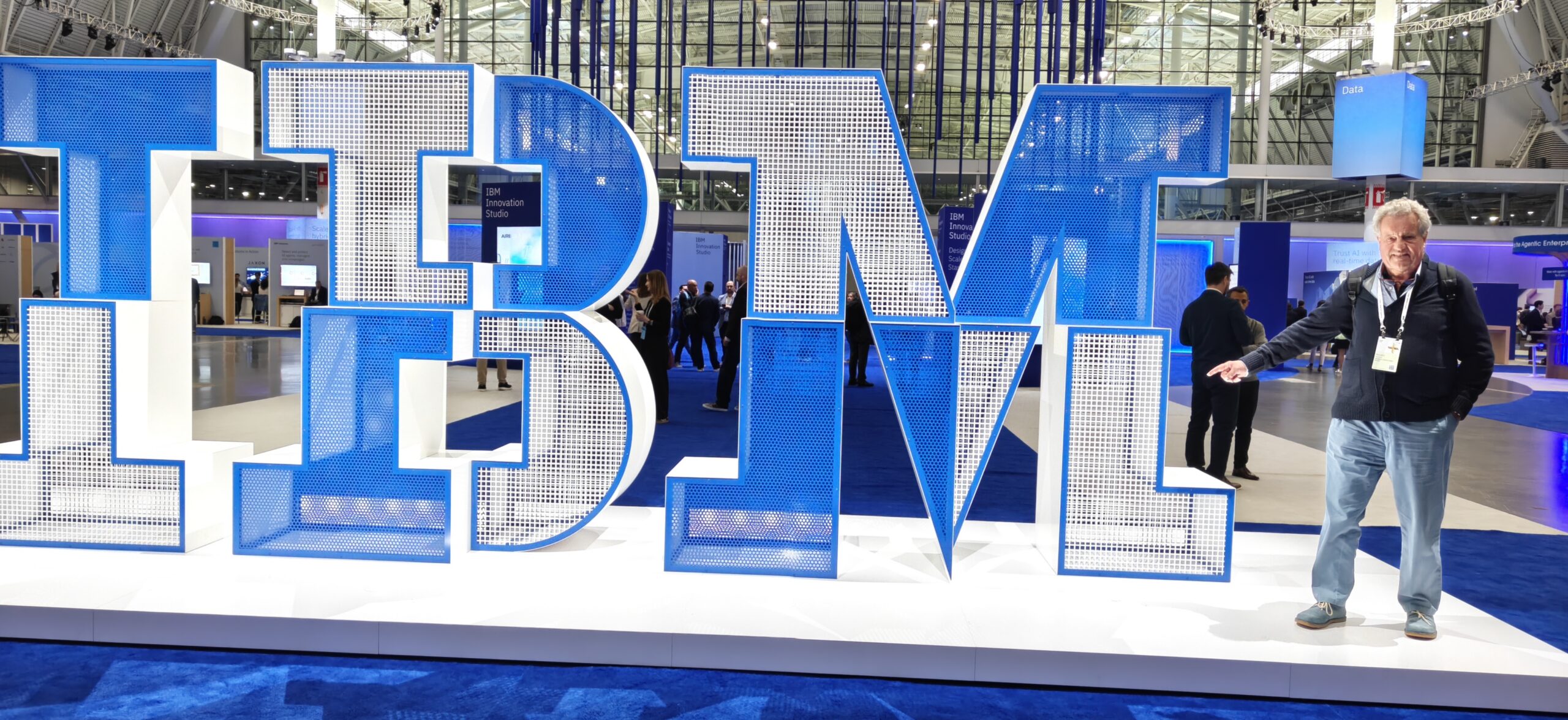
The agentic era isn’t coming—it’s here. At Think 2026 in Boston, IBM makes it official with a wave of new products, capabilities, and partnerships across its entire portfolio.
The week at Think 2026
Keep up with all the coverage
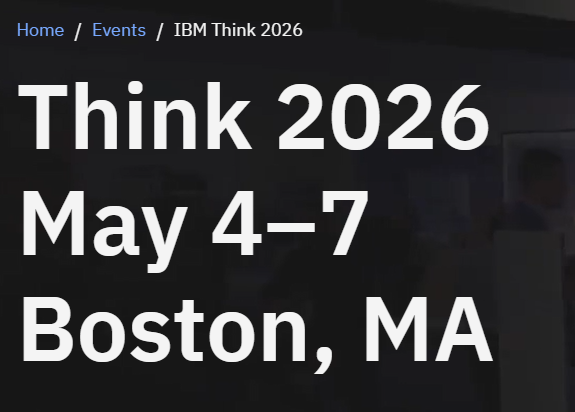
Think 2026, 4 – 7 May in Boston, MA, is where bold organizations are making the agentic leap—redesigning their businesses with AI at the core to unlock unprecedented ROI. This year’s event brings together visionary leaders, practitioners, and global pioneers to chart the path toward smarter, AI-first enterprises.
IBM executives used the company’s Think conference this week to argue that quantum computing is moving from experimental science to commercially relevant applications.
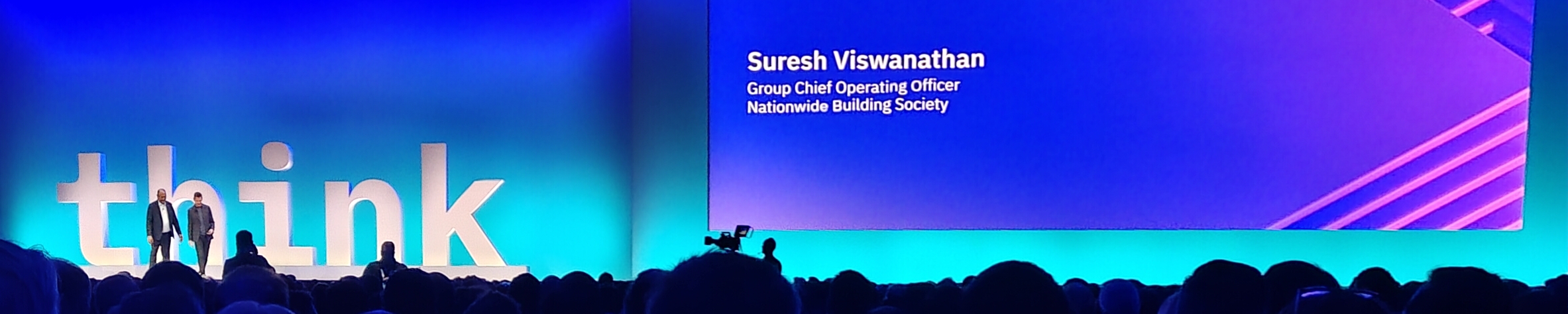
The announcements came on the last day of the conference, as technology companies attempt to prove that quantum systems can solve commercially meaningful problems after years of scientific breakthroughs and billions in investment. On stage with its partners, IBM unveiled new results that executives said pushed quantum systems beyond research demonstrations and into practical work involving drug discovery, materials science and fusion energy.
“Useful quantum computing is here right now,” Director of IBM Research and IBM Fellow Jay Gambetta said on stage.
He framed industry’s next phase around what IBM calls “quantum-centric supercomputing,” an architecture that combines CPUs, GPUs and quantum processing units (QPUs) into tightly integrated systems. Instead of replacing classical computers, the systems divide calculations between conventional and quantum hardware, depending on which machine handles a specific task best.